
Being a landlord in Cleveland is a tough job, and the thought of another brutal winter can be exhausting. You're not just managing a property; you're dealing with the constant worry of a furnace failing in a Garfield Heights duplex or a pipe bursting in an older Lakewood home. These aren't just maintenance tasks; they're potential financial disasters that can wipe out your profits and add incredible stress to your life.
If you're feeling overwhelmed by the cycle of repairs and tenant issues, you're not alone. Many Cleveland-area property owners reach a point where the responsibility becomes too much. Whether you're dealing with problem tenants, facing costly code violations you can't afford, or simply tired of the 2 a.m. emergency calls, it’s understandable to look for a way out.
This guide will walk you through the essential steps of winterizing, but we also want you to know that if this process feels like too much, you have options. Sometimes, the best decision is to sell your house fast, as-is, and move on.
Why Winterizing is So Stressful for Cleveland Landlords
The pressure to get this right is immense. Our competitive rental market means downtime from winter damage is a direct hit to your income. As of early 2025, average rents in the greater Cleveland area are around $1,500—a 16% year-over-year increase. With a tight 92.5% occupancy rate, you can't afford to have a unit offline for repairs.
Failing to winterize your rental isn't just a gamble; it's a direct threat to your investment and your peace of mind.
Winterizing isn't just a seasonal chore; it's an expensive insurance policy against the unexpected. Spending hundreds on prevention in October can save you thousands in January, but for many landlords in places like Parma or Euclid, that "preventative" cash just isn't there.
A Timeline for Getting It Done
If you're tackling another winter, a structured approach is the only way to ensure nothing gets missed. Spreading the tasks across the fall prevents that last-minute scramble when the first snowflakes start flying over Lake Erie.
The timeline below breaks down the key jobs, but we know that for many homeowners, this list represents more time, money, and stress you might not have.
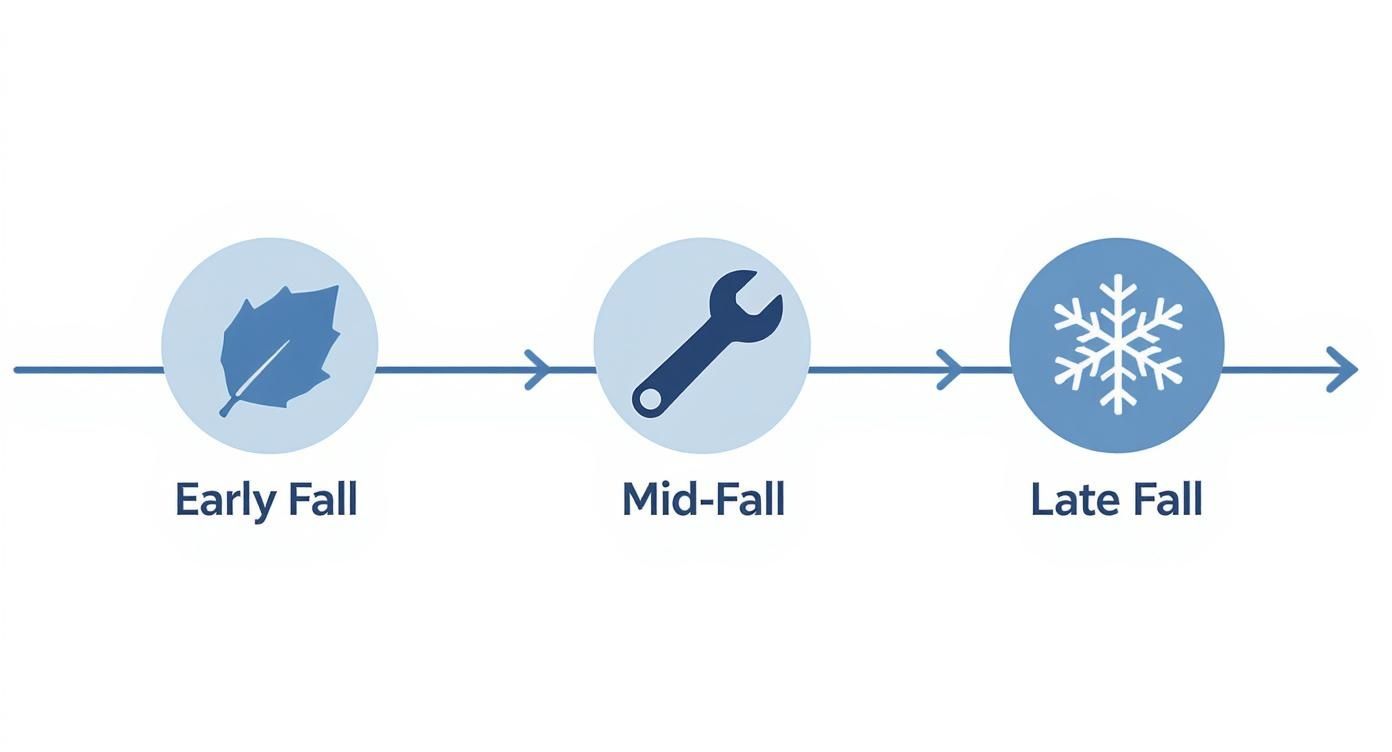
This visual is a reminder of how much work is involved. Pay close attention to the most critical tasks—plumbing and heating systems—as these are often the most expensive to fix.
If you want to dive deeper, you can find a comprehensive guide to winterizing your plumbing that covers all the bases. But if looking at this list fills you with dread, it might be a sign that it’s time to consider a simpler solution. A quick home sale in Cleveland could be your path to freedom from these seasonal burdens.
Your Exterior Winter-Proofing Checklist
Think of your property’s exterior as its first line of defense against a brutal Cleveland winter. The heavy lake-effect snow and punishing ice we see from University Heights to Elyria can turn a small oversight into a full-blown, expensive disaster. For a landlord already stretched thin, an exterior failure can be the final straw.
This isn't just a list of chores. It's a shield around your investment—one that requires constant upkeep to maintain.
Gutters and Downspouts: The Unsung Headaches
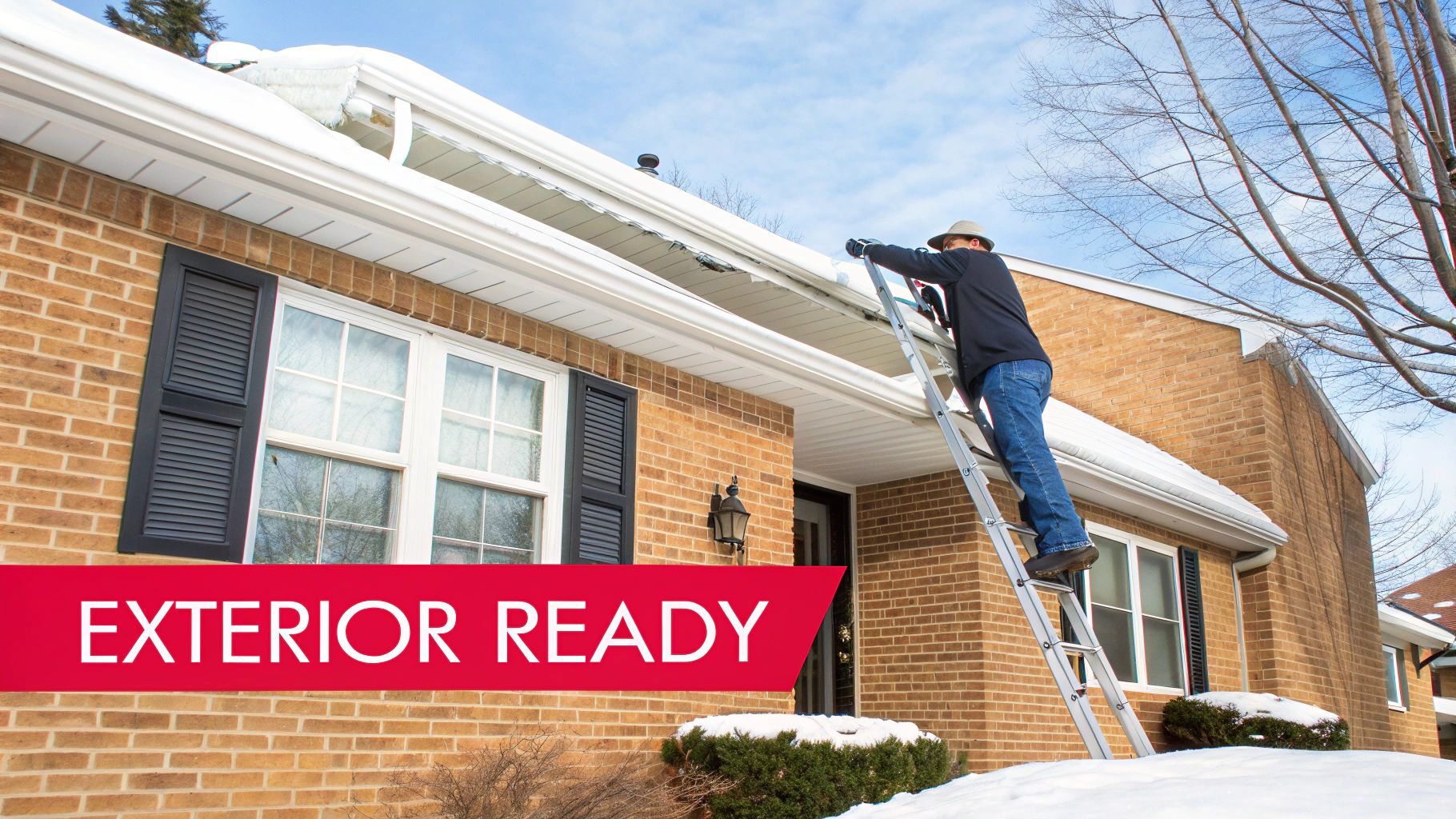
Clean gutters are non-negotiable in Northeast Ohio. When fall leaves clog them, trapped water freezes and creates destructive ice dams. That ridge of ice forces melting snow under your shingles, causing leaks that can destroy ceilings, walls, and insulation. I've seen a single bad ice dam lead to thousands in repairs—money that comes straight out of your pocket.
- Your Action Plan: Get gutters cleared out in late October or early November.
- A Pro Tip: While you're up there, check for sagging sections. Tighten them up to handle the weight of snow and ice.
- Don't Forget This: Ensure downspouts discharge water at least three to five feet away from the foundation to prevent a wet basement.
Give the Roof and Chimney a Once-Over
Your roof is the main barrier protecting your property. A thorough inspection is a must, but what if you find cracked, curling, or missing shingles? In an older home in Maple Heights or Bedford, a chimney inspection might reveal crumbling mortar. These aren't simple fixes; they are often expensive projects that you may not have budgeted for.
For a more detailed look, our guide on protecting your Cleveland roof during winter gets into more specific strategies.
Protect Your Plumbing and HVAC Systems
A burst pipe is a landlord's worst nightmare, leading to flooding and staggering repair bills. Shutting off water to exterior spigots is one of the most important things you'll do.
- Find the Shut-Off Valve: Locate it inside, usually in the basement or crawl space.
- Turn It Off: Crank the valve clockwise until it's completely shut.
- Drain the Line: Go back outside and open the spigot to let all trapped water drain out.
- Insulate It: Pop a cheap foam insulation cover over the faucet.
Don't forget the outdoor AC unit. Clear away debris and place a simple piece of plywood on top to protect it from falling ice.
A few minutes spent draining a hose bib can save you from a several-thousand-dollar plumbing bill. But for many homeowners facing foreclosure or financial hardship, even finding the time and energy for these "simple" tasks can feel impossible.
Landscape and Walkway Safety
Winter prep goes beyond the house itself. Tree branches hanging over the roof are a huge hazard when weighed down with snow and ice.
- Trim Your Trees: Prune any branches that look weak or hang too close to the house or power lines.
- Check the Walkways: Small cracks will only get worse, creating dangerous tripping hazards and potential liability issues.
- Get Ready for Snow Removal: Double-check your lease. If snow removal is your responsibility, it's another recurring cost and chore on your plate.
Interior Winter Prep to Protect Your Investment
Now it’s time to move inside. This is where you prevent the problems that lead to frantic, middle-of-the-night calls. Whether it’s a furnace in a Bedford basement or the drafty windows of an old Lorain colonial, getting the interior ready is absolutely essential—and often, another source of stress.
Safeguard the Heart of the Home: The HVAC System
The HVAC system is the property’s lifeline. If it goes down, you have an emergency. An annual professional tune-up is a must-do, but it's also another bill to pay. A certified tech will inspect for dangerous cracks and clean the burners, but this yearly investment is just one of many costs that eat into your profits.
Beyond the pro visit, changing the furnace filter is an easy, effective task. A clogged filter drives up utility bills and shortens the system's lifespan.
- Filter Frequency: Check monthly and replace at least every 90 days. With pets or smokers, it could be every 30-60 days.
- Tenant Education: Show tenants how to change the filter or set a clear schedule in the lease.
Stop Frozen Pipes Before They Start
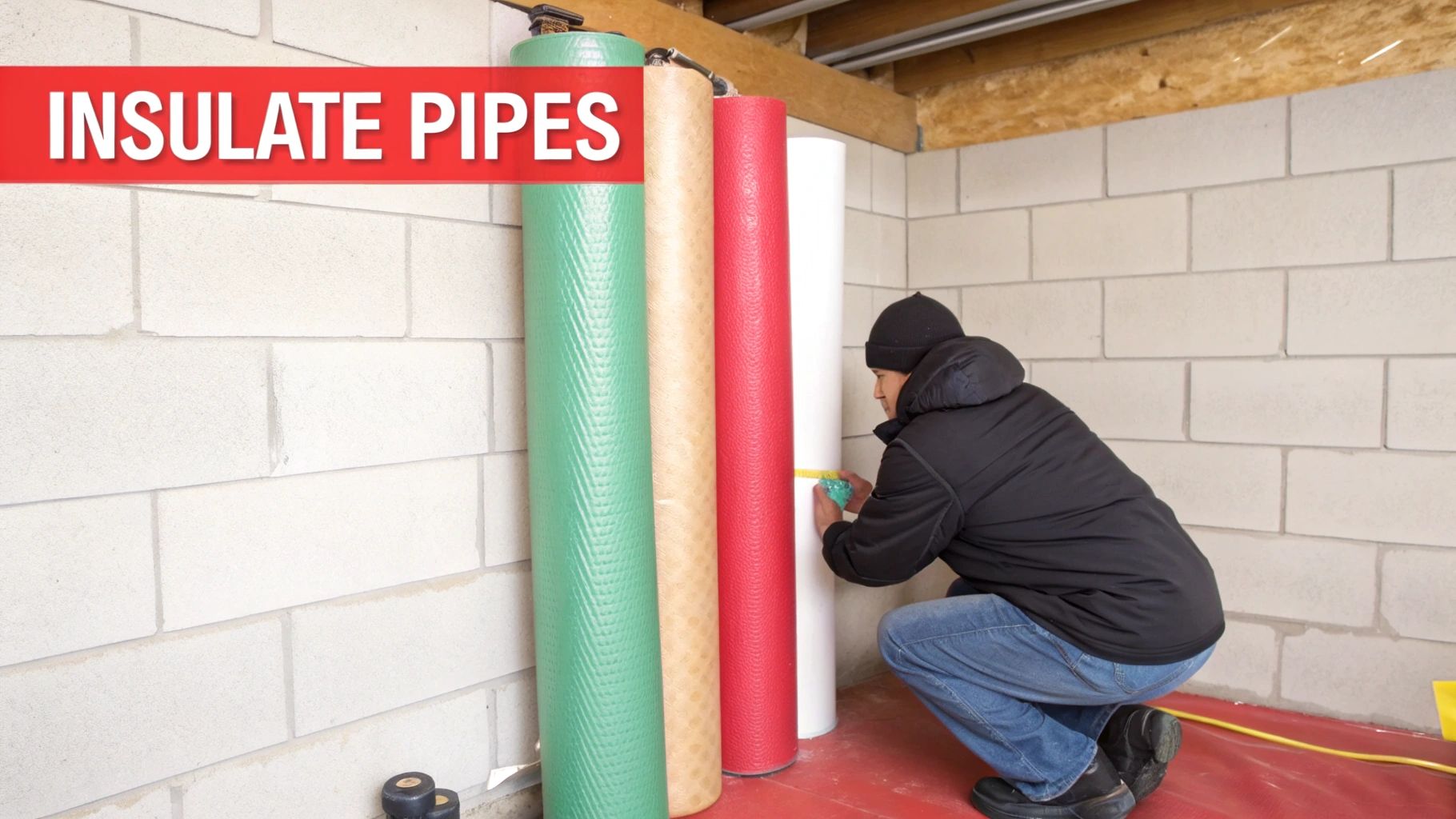
A burst pipe is one of the most destructive and costly disasters a landlord can face. Pipes in unheated basements, crawl spaces, and along exterior walls are most at risk. Insulating them is a cheap and simple DIY job.
- Foam Pipe Sleeves: Grab these at a hardware store, cut them to size, and wrap them around exposed water lines.
- Vulnerable Areas: In older homes, especially in places like Parma and Euclid, pay close attention to pipes in chilly basements.
Investing a few bucks in pipe insulation offers a high ROI. But what if the problem is bigger? What if you know the whole plumbing system is old and needs replacing? That's a financial burden many owners can't handle, making a cash home sale in Cleveland an appealing alternative.
Seal Up Drafts and Check Insulation
Drafts from leaky windows and doors make a home feel cold and send heating bills soaring.
- Weatherstripping: Apply a fresh roll around door frames.
- Caulking: Seal any gaps around window frames, inside and out.
- Window Insulation Kits: For old, single-pane windows, these plastic film kits create an effective insulating air barrier.
Don't forget to check the attic insulation. If it's settled below the joists, you're losing massive amounts of heat. Adding more is another expense. For a complete walkthrough, see our detailed winter home maintenance checklist for Cleveland homeowners.
Final Safety Checks and The Financial Reality
Before you're done, test smoke and carbon monoxide detectors and install fresh batteries. All these steps are necessary, but they add up. With median home prices in Ohio projected to hit $247,200 by winter 2024-2025, property values are climbing. However, the cost of maintaining those properties, especially older ones, is rising too. If the constant upkeep is draining your equity and your energy, it may be time to cash out.
Managing Tenant Communication and Responsibilities
Winterizing is a team effort, and your tenant is a key player. But managing tenants can be one of the most stressful parts of being a landlord. Clear communication is essential, but it doesn't always prevent problems.
This isn’t about micromanaging. It's about setting expectations. But for landlords who are tired of dealing with evictions, unpaid rent, or constant complaints, this is another layer of work you may not want to do.
Crafting a Clear Winter Communication Plan
Before winter hits, send your tenants a "Winter Prep Guide" to remind them of their role.
Your memo should cover:
- Mind the Thermostat: Remind them to keep the heat set to at least 60-65°F, even when they're away.
- Report It, Don't Ignore It: Stress the importance of calling you immediately about any issue, like a slow drip or a strange furnace noise.
- Doors and Windows: Ask them to ensure all windows and exterior doors are shut and locked.
- Emergency Contacts: Make sure they have your number handy.
Defining Responsibilities in the Lease
Your lease must spell out who is responsible for what. Ambiguity leads to conflict, whether it’s over shoveling a walkway at your Maple Heights rental or raking leaves in the fall.
- Snow and Ice Removal: This is a big one. For multi-family properties in Lakewood or Cleveland Heights, the landlord usually handles it. For single-family homes, it's often the tenant's job, but this needs to be crystal clear.
- Changing Furnace Filters: If the tenant is responsible, the lease must say so.
- Yard Debris: Clearly assign who is responsible for raking leaves to prevent drainage issues.
A solid grasp of understanding tenant rights and responsibilities is essential, but it doesn’t eliminate the stress of enforcement.
Your Legal Obligations as a Cleveland Landlord
Ohio landlords have a legal "duty of habitability," which includes providing adequate heat all winter. Failing to do so can lead to tenants withholding rent, lawsuits, and fines. The city of Cleveland ramped up its housing code enforcement in early 2024, creating a stricter environment. For landlords with aging properties and limited funds for repairs, this increased scrutiny can be terrifying.
If you're facing code violations you can't afford or are simply tired of the landlord life, you're not trapped. A fast cash offer from a company like Home Sweet Home Offers can be a lifeline, letting you sell your house as-is and walk away from the liability.
Budgeting for Winter Maintenance: Should You DIY or Hire a Pro?
The big question always comes down to money and time: do it yourself or hire a pro? For many homeowners, this decision isn't about preference; it's about what you can afford. A clear budget is key, but what happens when unexpected repairs blow that budget apart?
Being handy can save you cash, but a botched DIY job can end up costing far more than hiring an expert from the start.
Breaking Down the Costs
Here are some real numbers you can expect in the Cleveland area:
- Professional HVAC Tune-Up: $100 – $200. This is non-negotiable for safety and efficiency.
- Gutter Cleaning: $150 – $300 for a professional service.
- Roof Inspection & Minor Repairs: $100 – $250 for an inspection, plus another $200 – $500 for small fixes.
- Plumbing Insulation (DIY): Under $50 for materials.
- Tree Trimming: $300 – $1,000+. This requires a professional for safety.
Knowing When to DIY and When to Call a Pro
Balancing cost against risk is the name of the game.
Good DIY Tasks:
- Changing furnace filters
- Applying weatherstripping and caulk
- Insulating exposed pipes
- Installing window insulation film
When to Hire a Professional:
- HVAC Servicing: Essential for safety. Never DIY furnace work.
- Roofing Repairs: Too dangerous to do yourself.
- Major Plumbing Work: Anything beyond basic insulation needs a licensed plumber.
- Electrical Inspections: Always use a certified electrician.
The real return on professional work is peace of mind. But what if you don't have the peace of mind because you're constantly worried about the next thing that will break?
If you're looking at this list and feeling the financial strain of maintaining an older property, you're not alone. The constant repairs in a Euclid duplex or a century home in Lorain are a huge drain. This is often when landlords realize they need a different solution. At Home Sweet Home Offers, we buy houses in Cleveland for cash, so you can skip the repairs, the contractors, and the stress. You get a fair offer and the freedom to move on.
These costs eat into your profits. For more on managing expenses, see our guide on how to save on heating bills during a Cleveland winter.
Frequently Asked Questions About Winterizing Rentals

Even with a checklist, questions always come up. Here are answers to common concerns from landlords like you.
When Is the Best Time to Start Winterizing in Northeast Ohio?
Start in early fall, around September or early October. The goal is to finish before the first real frost. Starting early helps you avoid the mad dash for contractors who get booked solid once the temperatures drop.
What Are My Responsibilities for a Vacant Rental in Winter?
A vacant property is a massive liability. The responsibility is 100% on you to prevent a pipe burst.
- Go for a Full Plumbing Drain: This is the safest route. A plumber can drain all water from the system and add antifreeze to drains.
- Keep the Heat On (If Not Drained): If you don't drain the system, you must keep the heat set to a steady 55°F.
- Check on It Regularly: Visit the property weekly to look for any signs of trouble.
Letting a vacant property sit unchecked is a gamble you can't afford. If managing an empty inherited property or a rental between tenants feels like too much, selling it as-is for cash is a fast, simple solution.
How Should I Handle Snow and Ice Removal with Tenants?
Clarity in your lease is your best friend. For multi-family properties in places like Parma or Lakewood, hiring a professional service is the smartest move to reduce liability. For a single-family home, you can assign this to the tenant, but it must be explicitly stated in the lease.
What Are Cleveland's Rules for Winter Heating in Rentals?
You are legally required to provide a working heating system capable of keeping the unit at a safe temperature (around 68°F). Failing to do so is a serious violation. With the city of Cleveland cracking down on code enforcement, ensuring your furnace is in top shape isn't just good management—it's a legal necessity. If your heating system is old and you can't afford a replacement, this can put you in a very difficult position.
The endless cycle of seasonal maintenance, tenant issues, and surprise repairs can wear down even the most dedicated landlord. If you're a tired property owner in Cleveland, Garfield Heights, or Elyria feeling buried under the responsibility, please know you have options. You don't have to face another brutal winter season on your own.
At Home Sweet Home Offers, we understand your situation. We provide a straightforward way out by buying houses as-is for cash. This means you can sell your rental without making a single repair, dealing with contractors, or worrying about city inspections. If you're ready to cash out your investment and reclaim your peace of mind, let's talk.