
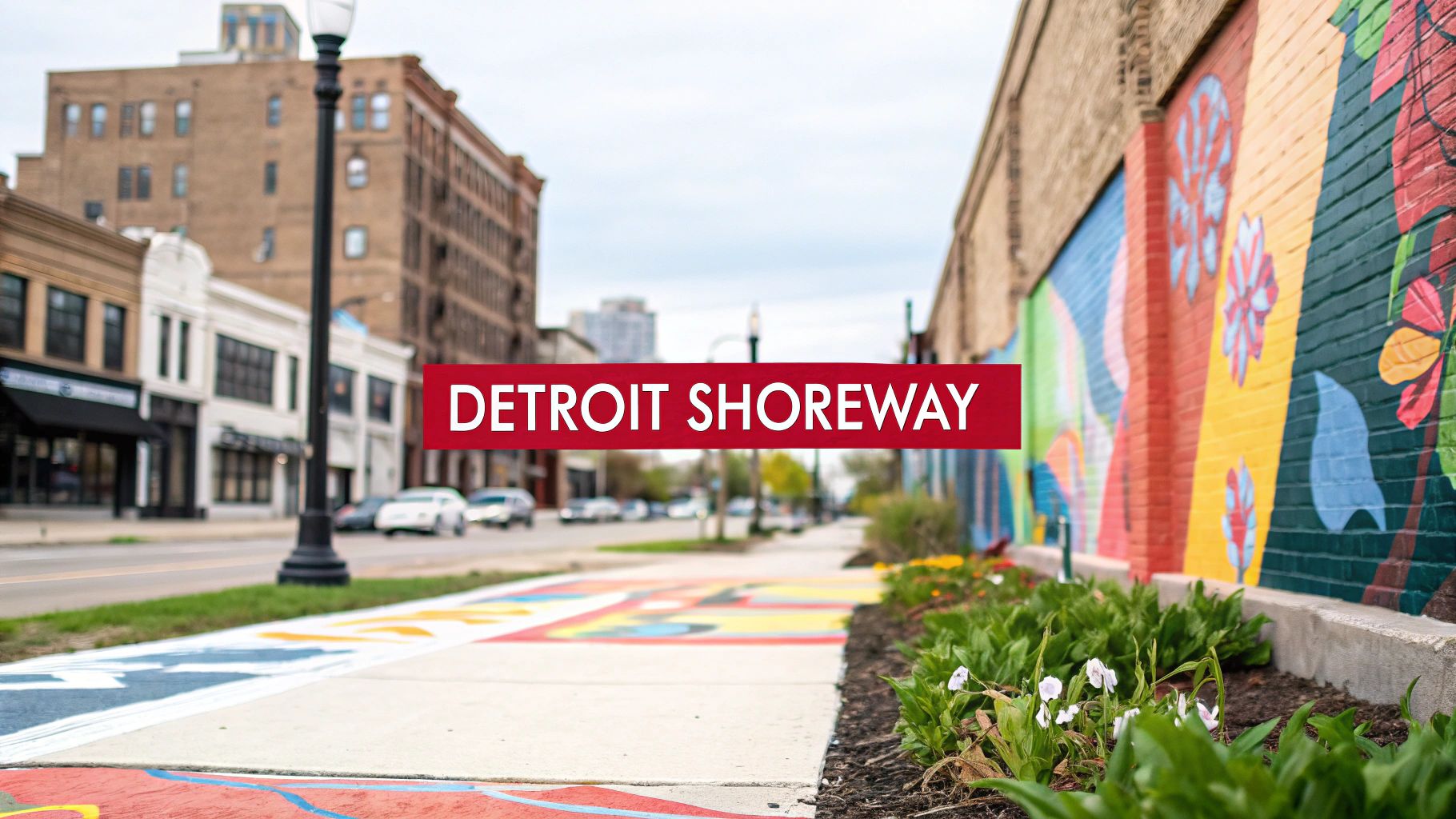
If you're a Cleveland homeowner, you understand that every neighborhood has its own unique story and its own set of challenges. For those of you in Detroit Shoreway Cleveland, you know this better than most. You live in one of the city's most vibrant, revitalized west side neighborhoods, a place celebrated for its dynamic mix of arts, incredible food, easy lakefront access, and beautiful historic homes.
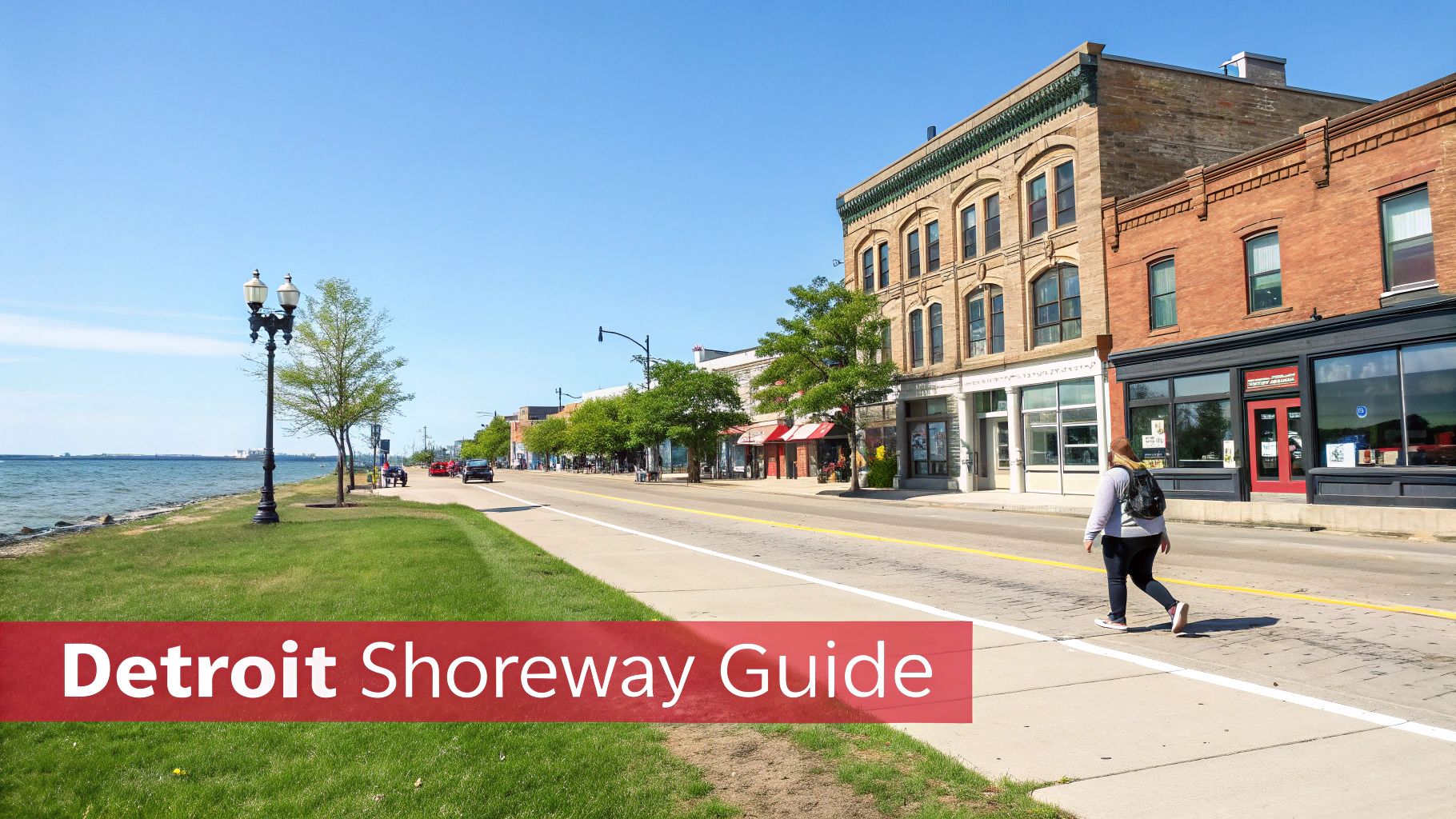
This guide is designed to be your complete resource, whether you're simply proud of your community, considering a move, or facing a tough decision about selling your property. We understand that owning a home here—especially an older one—comes with unique pressures. Maybe you're tired of the constant upkeep, facing unexpected financial strain, or simply ready for a change.
This guide explores the history, attractions, and real estate realities of the Detroit Shoreway neighborhood. For homeowners weighing their options, we'll provide clear, empathetic insights into the selling process. The charm of a century-old home is undeniable, but it often comes with a hidden to-do list of expensive repairs that can make a traditional sale feel overwhelming.
If your property needs more work than you're willing to put in, you have options. If you're wondering how to handle an inherited property, a tired rental, or a home that just doesn't fit your life anymore, we're here to help. At Home Sweet Home Offers, we provide solutions. Considering selling as-is? Feel free to request a free, no-obligation cash offer today and see if it’s the right fit for you.
History of Detroit Shoreway
To truly appreciate the Detroit Shoreway neighborhood, you have to understand its deep Cleveland roots. Its story is one of industrial grit, immigrant resilience, and a remarkable, arts-fueled comeback.
Originally, this was a classic working-class neighborhood, its fortunes tied directly to Cleveland's manufacturing boom. Waves of German, Irish, and Eastern European immigrants settled here, building the solid, hardworking homes and duplexes that still give the area its distinct character. Development boomed along the Detroit Avenue corridor, which served as the community's primary artery.
Like many urban areas, Detroit Shoreway faced challenges in the post-war era as families moved to suburbs like Parma and Lakewood. However, the seeds of revitalization were planted, and they truly began to sprout in the early 2000s. The key catalyst was the strategic development of the Gordon Square Arts District.
Landmarks of a Comeback
The revival wasn't accidental; it was driven by passionate community development organizations that saw the neighborhood's potential. They focused on preserving its historic soul while injecting new life and investment.
Key landmarks tell this story:
- The Capitol Theatre: This beautifully restored 1920s movie palace became an anchor for the arts district, drawing people back to the neighborhood.
- Gordon Square Arts District: This designated area became the cultural and economic engine, fostering theaters, galleries, and new businesses.
- Historic Churches and Commercial Buildings: Many of these structures have been preserved, maintaining the architectural link to the neighborhood's past.
This history directly impacts the housing you see today. The journey from an industrial hub to an arts destination created an eclectic mix of properties—from original worker cottages and Cleveland doubles to renovated single-family homes and modern new builds. For homeowners, this rich history is both a source of pride and a practical consideration when thinking about maintenance and selling.
What Detroit Shoreway Is Known For
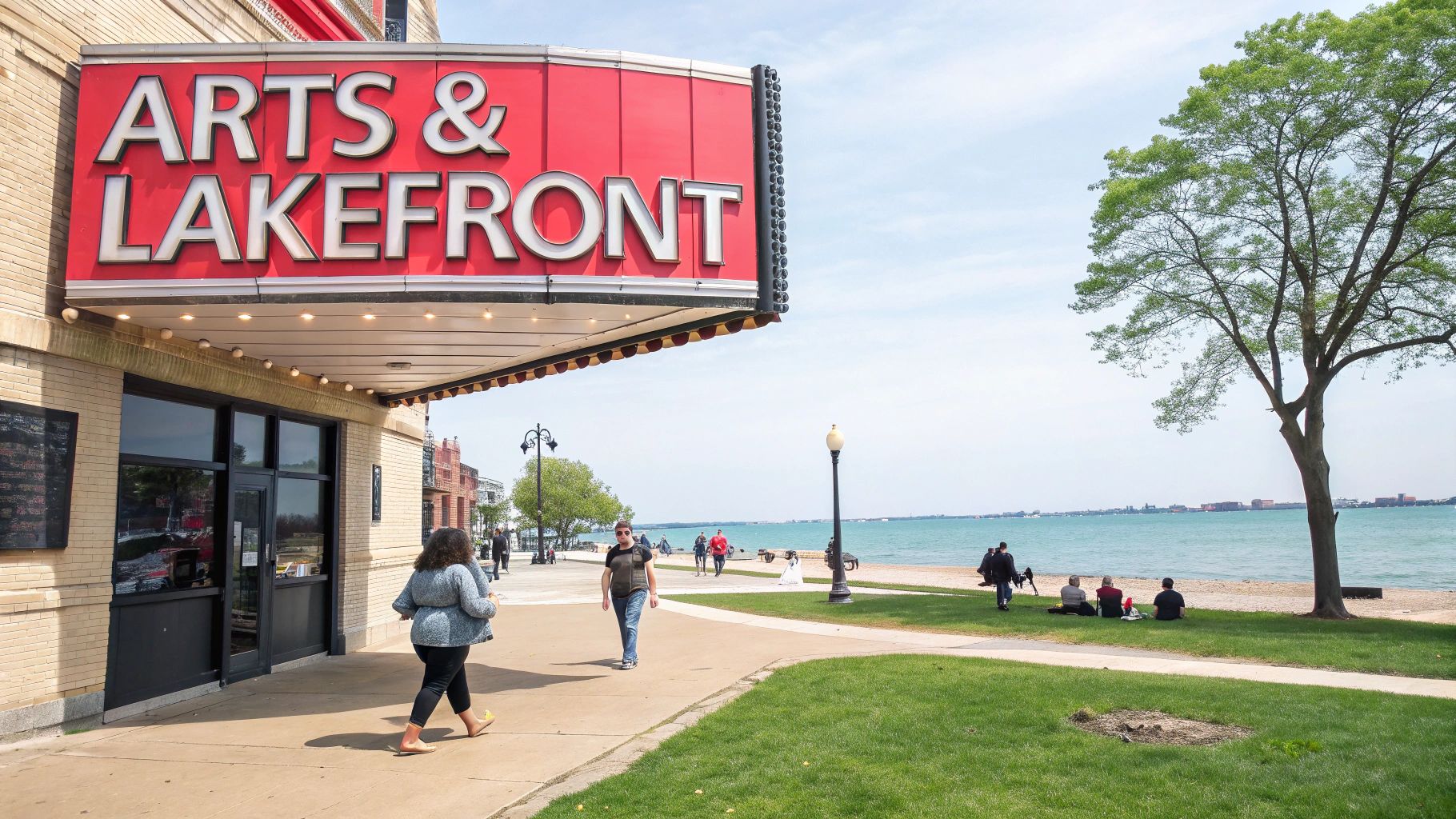
Today, Detroit Shoreway Cleveland is a destination. Its reputation is built on a unique combination of culture, recreation, and community spirit that makes it one of the most desirable places on the west side.
A. Gordon Square Arts District
The undeniable heart of the neighborhood is the Gordon Square Arts District. This vibrant stretch of Detroit Avenue is the cultural engine, packed with:
- Live Theaters: Home to the Cleveland Public Theatre and Near West Theatre, offering everything from cutting-edge plays to beloved musicals.
- Art Galleries: Dozens of spaces showcasing local and national artists.
- Public Art: Eye-catching murals and installations turn the streets into an open-air gallery.
B. Lakefront Access
A huge draw is the neighborhood’s immediate proximity to Edgewater Park. For residents, this means having one of Cleveland's greatest natural assets as your front yard. This includes:
- Edgewater Beach: A popular spot for swimming, sunbathing, and enjoying summer days.
- Trails and Views: The Cleveland Lakefront Bikeway offers stunning skyline views for walkers, runners, and cyclists.
- Edgewater Beach House: A modern pavilion with a bar and concessions, perfect for watching sunsets over Lake Erie.
C. Dining and Nightlife
Detroit Shoreway has become a legitimate foodie hub. The dining scene is diverse, unpretentious, and full of local character. Some longtime favorites include:
- Happy Dog: A legendary spot known for its customizable hot dogs and live music.
- Stone Mad: An Irish pub with a fantastic stone patio and a cozy, old-world feel.
- Luxe Kitchen & Lounge: A go-to for Mediterranean-inspired bistro fare and creative cocktails.
- XYZ Tavern: The quintessential neighborhood tavern with great food and a welcoming atmosphere.
D. Walkability and Community Feel
Beyond the major attractions, the neighborhood thrives on its walkability. You can easily stroll from your home to a coffee shop, a theater, or a local boutique along the Detroit Avenue corridor. This creates a close-knit feel, where local businesses are supported by the community, blending historic charm with modern lifestyle amenities.
Things to Do in Detroit Shoreway
Living in or visiting the Detroit Shoreway neighborhood means you're never short on things to do. The lifestyle here is active, creative, and deeply connected to both the arts and the outdoors.
Here’s a glimpse of what a typical week could look like:
- Beach Days at Edgewater Park: Spend a sunny afternoon swimming, paddleboarding, or just relaxing on the sand at one of the best urban beaches on the Great Lakes.
- Shopping and Dining on Detroit Avenue: Explore the eclectic mix of independent shops, galleries, and restaurants that line the main corridor. It’s the perfect place for a casual weeknight dinner or a weekend brunch.
- Catch a Show in Gordon Square: Take in an indie film at the historic Capitol Theatre or see a powerful performance at the Cleveland Public Theatre. The arts district offers entertainment nearly every night of the week.
- Enjoy Community Events: From the Day of the Dead festival to outdoor concerts at Edgewater LIVE, there's always something happening that brings the community together.
- Evening Walks: Stroll through the quiet, residential historic streets and admire the beautifully preserved architecture, from grand Victorians to classic Cleveland doubles.
This blend of activities is what makes the lifestyle here so attractive. It offers the energy of city living with the relaxed feel of a lakeside community, a combination that appeals to a wide range of people and keeps housing demand high.
Housing and Architecture in Detroit Shoreway
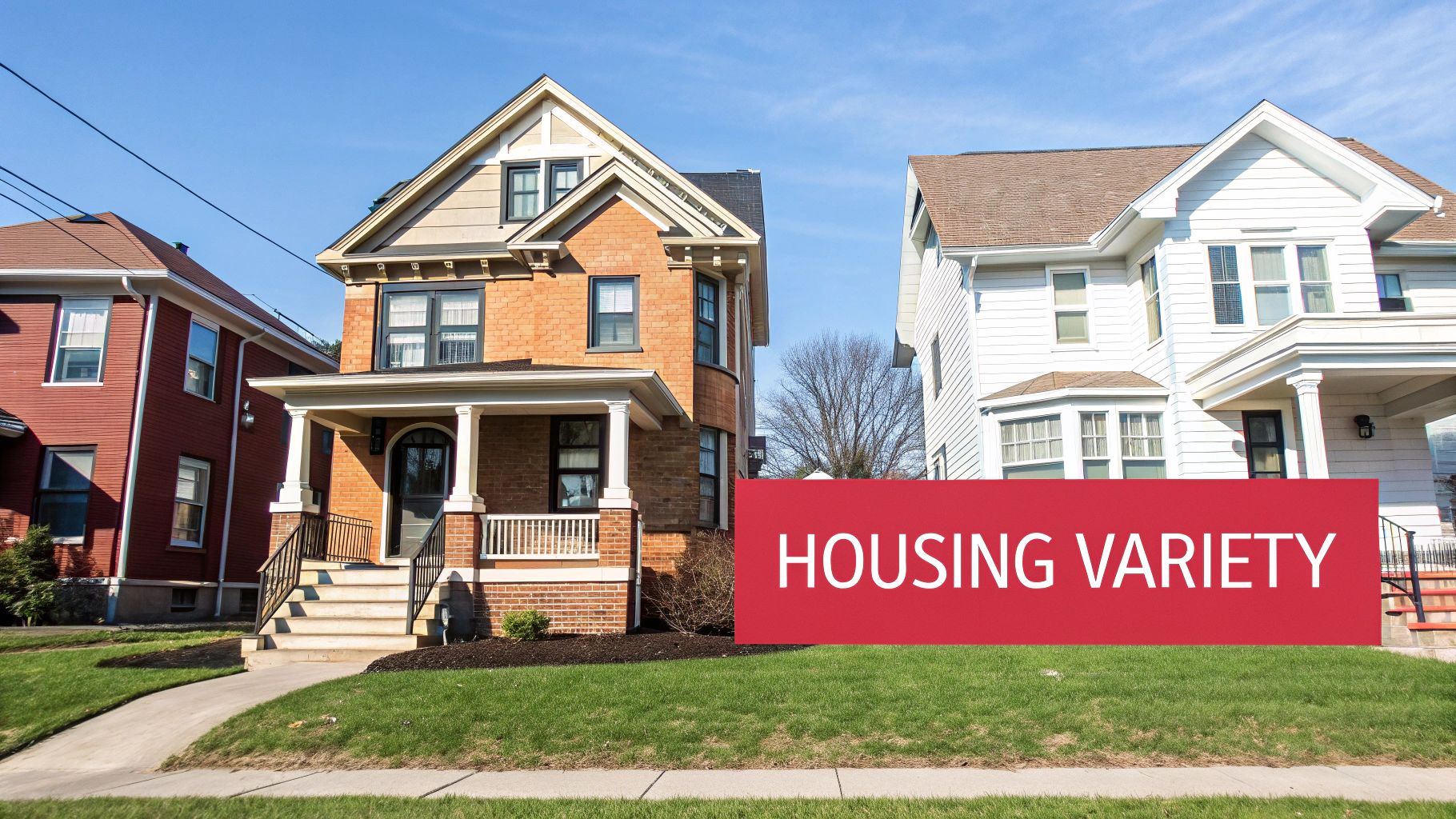
The housing in Detroit Shoreway is a direct reflection of its history—a diverse tapestry of architectural styles that tells the story of Cleveland's evolution. This variety is a huge part of its charm, but for homeowners, it also presents a unique set of maintenance and repair considerations.
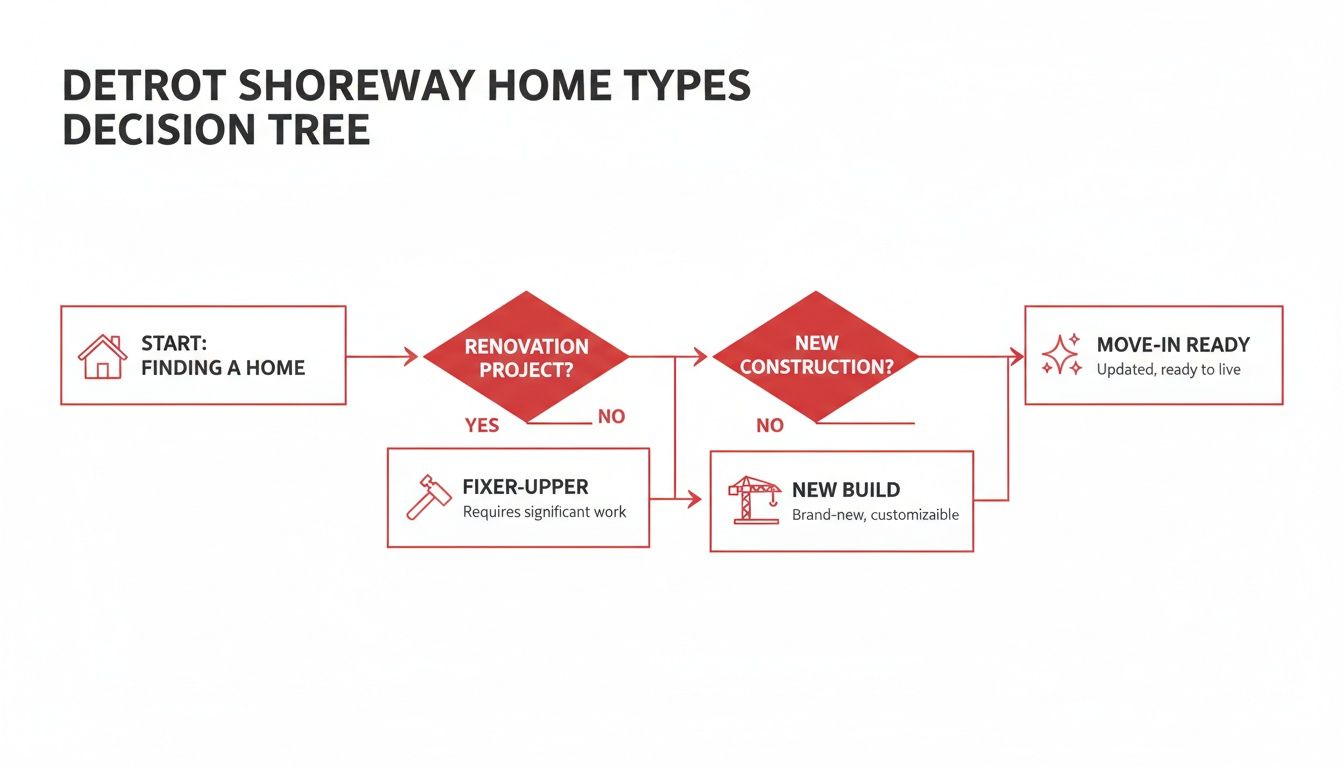
A Breakdown of Housing Types
As you explore the neighborhood, you'll see a fascinating mix of old and new, each with its own character:
- Cleveland Doubles: These iconic two-family homes are a staple of the neighborhood, offering opportunities for homeowners to live in one unit and rent out the other.
- Victorian and Early 1900s Homes: Grand, historic single-family homes with intricate details and classic front porches are scattered throughout the residential streets.
- Renovated Single-Family Homes: Many older, more modest homes have been gut-renovated, blending their original charm with modern amenities that appeal to today's buyers.
- Apartments and Loft Conversions: In a nod to its industrial past, some commercial buildings have been transformed into stylish urban lofts.
- Modern Infill Townhomes: Sleek, new-construction townhomes have become increasingly common, offering a low-maintenance lifestyle for young professionals and empty nesters.
Repair Considerations for Older Homes
If you own one of Detroit Shoreway's beautiful century homes, you understand that their character comes with responsibility. These properties often have underlying issues that can become major hurdles during a traditional home sale, especially when a buyer's inspector starts looking closely. We understand this can be a source of stress and uncertainty.
Common issues we see in older homes in the area include:
- Roof Age: Many roofs are past their 20-year lifespan and may need a full, costly replacement.
- Plumbing and Sewer Lines: Original galvanized or clay pipes can corrode or be damaged by tree roots, leading to expensive repairs.
- Electrical Updates: Outdated knob-and-tube or 60-amp electrical systems are a safety concern and often won't meet the standards for homeowner's insurance or a buyer's mortgage.
- Foundation Movement: Cleveland's soil and weather can cause foundations to shift, bow, or crack over a century.
- Lead Paint Concerns: Homes built before 1978 likely contain lead paint, which requires specific protocols for removal and can deter families with young children.
These factors significantly affect selling decisions. The cost and stress of addressing these major repairs before listing a home is often the reason homeowners in Detroit Shoreway, from Ohio City to Lakewood, look for a simpler solution.
Detroit Shoreway Real Estate Market Overview
The Detroit Shoreway real estate market is one of the most dynamic on Cleveland's west side. Fueled by its arts scene, lakefront access, and proximity to downtown, demand here is consistently strong. For homeowners, this creates both opportunities and challenges, especially given the neighborhood's mix of historic and modern homes.
A. Home Price Ranges
Condition is king in Detroit Shoreway. A home's price can vary dramatically based on the level of renovation. We see this firsthand every day.
- Renovated Homes: Move-in-ready properties with updated kitchens, baths, and mechanicals command premium prices. Buyers will pay top dollar to avoid a project.
- Unrenovated Older Homes: These homes, often needing significant work, are priced much lower to account for the necessary investment. They appeal to investors or buyers prepared for a full renovation.
- New Construction Townhomes: These often set the ceiling for price-per-square-foot in the neighborhood, attracting buyers who want modern amenities and a maintenance-free lifestyle.
- Duplexes and Small Multifamily: Unrenovated duplexes offer a lower entry point for investors, while turnkey multifamily properties are highly sought after and priced accordingly.
B. Rental and Airbnb Market Demand
Detroit Shoreway is an investor's dream. The neighborhood is a magnet for young professionals who want to rent in a walkable, vibrant area. This keeps demand for long-term rentals incredibly high.
Its status as a cultural and recreational hub also makes it an Airbnb hot zone. Proximity to Edgewater Park and the Gordon Square Arts District attracts tourists, creating a lucrative market for short-term rentals. This strong demand helps support property values across the board.
C. Appreciation Trends
Home values in Detroit Shoreway have seen significant appreciation over the past decade. This growth is driven by several factors:
- The continued expansion of the arts district.
- Major public investments in lakefront improvements at Edgewater Park.
- Sustained demand from both homebuyers and investors looking for a prime Cleveland location.
D. Market Challenges
Despite the strong market, homeowners face real challenges.
- Limited Supply: There's a shortage of modernized, move-in-ready homes, creating intense competition for buyers.
- High Renovation Costs: The cost of renovating a century home to today's standards is substantial, creating a large gap between "as-is" and "market-ready" values.
- Buyer Competition: If your home isn't fully updated, you're competing against new construction and perfectly renovated properties, which can make it harder to sell on the traditional market.
For a broader look at trends across the city, you can explore our overview of the Cleveland housing market.
Is Detroit Shoreway a Good Place to Live? Pros and Cons
Like any neighborhood, living in Detroit Shoreway Cleveland comes with a unique set of trade-offs. It's an incredible place for many, but it's important to have a balanced view. For homeowners here, understanding these pros and cons is key to knowing your property's market position.
Pros
- Walkability: With countless restaurants, theaters, shops, and parks just a short walk away, you can often leave your car parked. It’s one of the best areas to live in Cleveland if you want walkability.
- Lakefront Proximity: Having Edgewater Park as your backyard is a priceless amenity for recreation, relaxation, and stunning city views.
- Strong Arts and Food Scene: The cultural vibrancy of Gordon Square provides endless entertainment and dining options right at your doorstep.
- Historic Character: The neighborhood's beautiful, historic architecture provides a unique charm and sense of place that you can't find in newer suburbs.
- Easy Commute to Downtown: You're just minutes away from downtown Cleveland, making the daily commute quick and easy.
Cons
- Older Homes Needing Repairs: The charm of historic homes comes with the reality of ongoing maintenance and the potential for major, expensive repairs. This can be a significant burden for homeowners.
- Limited Parking: On many residential streets, particularly near the main corridors, parking can be tight.
- Busy Nightlife Areas: While the vibrant nightlife is a pro for many, living close to the bars and restaurants on Detroit Avenue can mean more noise and traffic.
- Higher Prices: The neighborhood's popularity means home prices and property taxes are higher than in many surrounding west side neighborhoods like West Park or Cudell.
Who Detroit Shoreway Is Ideal For
The unique blend of lifestyle amenities in the Detroit Shoreway neighborhood attracts a diverse mix of residents. It's a place that appeals to people at many different stages of life.
The neighborhood is particularly ideal for:
- Young Professionals: The easy commute to downtown, vibrant nightlife, and walkability make it a top choice for those starting their careers.
- Artists and Creatives: With its numerous galleries, theaters, and studios, the neighborhood is a natural hub for the creative community.
- Renters Transitioning to Homeowners: The variety of housing, from starter homes to duplexes, provides options for those looking to buy their first property.
- Empty Nesters: Many who are downsizing appreciate the low-maintenance lifestyle of a condo or townhome combined with the rich cultural offerings.
- Investors: The high demand for rentals and short-term stays makes it a prime location for those looking to build a real estate portfolio.
- Downtown Commuters: Anyone working in or near downtown Cleveland will appreciate the incredibly short and convenient commute.
What Homeowners Should Know About Selling in Detroit Shoreway
If you're a homeowner considering selling your property in Detroit Shoreway Cleveland, you're in a strong market. However, it comes with specific expectations and challenges that are important to understand. We know this process can be stressful, and our goal is to provide you with the clarity you need.
Here are key considerations for selling in this neighborhood:
- Buyers Expect Updates: In a competitive market like this, most retail buyers are looking for move-in-ready homes. They expect updated kitchens and bathrooms, modern electrical systems, and solid mechanicals.
- Inspections are Rigorous: Due to the age of most homes, buyers will hire thorough inspectors. Issues like an old roof, foundation problems, or outdated plumbing will almost certainly come up and can lead to difficult negotiations or even a canceled contract.
- Appraisal Challenges: In a neighborhood with such a wide range of home conditions, appraisals can sometimes be challenging. If your renovated home is being compared to unrenovated recent sales, it can be difficult for the appraisal to meet the contract price.
- Cleveland's Point-of-Sale (POS) Rules: Depending on the property, you may need to comply with the City of Cleveland's POS inspection requirements, which can mandate certain repairs before the title can transfer.
- Seasonal Market Shifts: While demand is strong year-round, the Cleveland market typically heats up in the spring and summer. Listing in the off-season may mean fewer buyers and longer time on the market.
Navigating these factors can be complicated. For a deeper dive, read our guide on "How to Sell Your House Fast in Cleveland."
When Selling As-Is Makes More Sense
We speak with homeowners every day who love their Detroit Shoreway home but are overwhelmed by its needs. The traditional sales process, with its demands for repairs, showings, and uncertainty, isn't the right fit for everyone. For many, a simpler, more direct path is the best solution.
Selling your house as-is to a cash buyer like Home Sweet Home Offers makes perfect sense in many situations, especially when facing:
- Major Repair Needs: Your home needs a new roof, has foundation cracks, requires a full electrical rewire, or faces basement water issues. These are high-cost projects you can't or don't want to fund.
- Outdated Properties: You own an older Cleveland double or single-family home that needs a full cosmetic renovation to compete in today's market.
- Inherited or Vacant Homes: You've inherited a property, possibly from out of town, and don't have the time, resources, or desire to manage a cleanout, repairs, and a lengthy sale.
- Tired Landlords: You're done with the headaches of being a landlord. Whether it's problem tenants, constant maintenance calls, or just the desire to cash out your investment, we can help.
- Homes Unlikely to Pass Inspection: You know your home has issues that will be flagged by an inspector and could derail a traditional sale, and you want to avoid that stress altogether.
In these circumstances, the certainty and convenience of a cash offer provide immense relief. You don't have to worry about repairs, commissions, or deals falling through. It's a straightforward transaction designed around your needs. If you're facing any of these challenges, we invite you to get a free, no-obligation as-is offer.
Fun Facts About Detroit Shoreway
Beyond the real estate and market trends, Detroit Shoreway is a neighborhood full of interesting stories and details that add to its unique character.
- It is one of Cleveland's fastest-growing and most culturally diverse west side neighborhoods.
- The historic Capitol Theatre, built in 1921, is one of the few remaining neighborhood movie palaces still in operation in Cleveland.
- It provides direct access to the iconic Edgewater Beach House, a landmark of Cleveland's lakefront revival.
- Much of the neighborhood's revitalization has been spearheaded by dedicated community development groups like the Detroit Shoreway Community Development Organization.
- You can still find historic "worker cottages" on some side streets, small, simple homes originally built for industrial laborers in the early 20th century.
Frequently Asked Questions (FAQ)
We get a lot of questions from homeowners and potential residents about Detroit Shoreway. Here are some of the most common ones, answered directly.
Is Detroit Shoreway safe?
Like many urban neighborhoods, safety perceptions can vary by block. The areas around Gordon Square and Edgewater Park are generally considered safe, with active community involvement. However, it's always wise to visit at different times of day to get your own feel for a specific area.
What is the average home price in Detroit Shoreway?
Prices vary widely based on condition. A fixer-upper might sell for under $150,000, while a fully renovated historic home or new townhome can easily exceed $400,000 or more.
What types of homes are in Detroit Shoreway?
The neighborhood features a diverse mix, including historic Cleveland doubles, Victorian single-family homes, renovated bungalows, and modern infill townhomes and condos.
Is Detroit Shoreway walkable?
Yes, it is one of Cleveland's most walkable neighborhoods, especially along the Detroit Avenue corridor, where you can easily access shops, restaurants, theaters, and parks on foot.
How far is it from downtown?
Detroit Shoreway is conveniently located just a 5- to 10-minute drive from downtown Cleveland, making it ideal for commuters.
Can I sell my Detroit Shoreway home as-is?
Absolutely. Many homeowners choose this route to avoid the cost and stress of repairs. Companies like Home Sweet Home Offers specialize in buying homes in their current condition, providing a fast and certain sale.
Is Detroit Shoreway good for rental property investment?
Yes, due to high tenant demand from young professionals and its popularity as an Airbnb destination, it's considered a prime area for real estate investment in Cleveland.
What is the difference between Detroit Shoreway and Gordon Square?
Gordon Square is the designated arts and culture district located within the larger Detroit Shoreway neighborhood. Detroit Shoreway is the name of the entire community, which includes residential streets, parks, and other commercial areas.
Your Partner in Cleveland Real Estate
Detroit Shoreway is undeniably one of Cleveland’s most desirable neighborhoods, celebrated for its strong culture, incredible lakefront access, and undeniable historic charm. For homeowners, this means living in a vibrant community full of opportunity.
However, the historic homes that give the neighborhood its character can also bring unique challenges, especially when it's time to sell. As a homeowner, it’s important to weigh the costs of repairs, understand current market demand, and explore all of your selling options to find the one that best fits your personal and financial situation.
Thinking of selling your Detroit Shoreway home? Home Sweet Home Offers buys houses as-is across Detroit Shoreway, Gordon Square, Ohio City, Tremont, and all Cleveland west side neighborhoods. We understand your situation and provide a simple, stress-free solution. Call 216-200-8010 or request a free, no-obligation cash offer today.
Sources
- City of Cleveland
- Detroit Shoreway Community Development Organization
- Cleveland Landmarks Commission
- Local real estate board and MLS data
- The Encyclopedia of Cleveland History: Detroit-Shoreway
- The Land CLE: Gentrification in Cleveland's Detroit Shoreway
- Northwest Neighborhoods: Detroit Shoreway