The House Needs Attention
- A vacant property that keeps costing time and attention
- Repairs or updates you do not want to manage
- A cleanout that feels too large to handle before selling
- Code violations or local point-of-sale questions
We buy houses across Northeast Ohio
A RESPECTFUL WAY TO SELL AS-IS
If your house needs repairs, is still full of belongings, has tenants, or is one you inherited, we understand how hard it can feel to know where to start. You don't need to clean it up or have every answer before reaching out. We'll listen, walk through the property with you, and explain your options clearly. We won't pressure you or judge the condition of the house.
Close in as little as 14 days, or on your schedule.
Takes about 30 seconds. No obligation to accept.

START WITH THE BASICS
To us, buying as-is means we look at the house in its current condition and account for the repairs, cleanout, and work in our offer. You don't need to fix it up, replace anything, or make it show-ready first.
We consider the house as it sits, make a clear offer, and let you decide whether it works for you.
If no one is living there, see what changes when you are selling a vacant house in Northeast Ohio.

REAL-LIFE REASONS
Selling as-is is often less about the house being imperfect and more about choosing where your time, money, and energy should go.
Whatever brought you here, you don't need to have every repair, document, or next step figured out before talking with us.
COMPARE YOUR OPTIONS
There isn't one right choice for every homeowner. Compare the preparation, market exposure, control, and responsibility involved with each option.
Retail market exposure
Private direct sale
Hands-on control
Compare each option by your likely net proceeds, required preparation, number of showings, timing, and how much of the process you want to manage.
START WHERE YOU ARE
You do not need to repair, clean, stage, photograph, or organize paperwork before talking with us. Start with the house exactly as it is.
Leave the repairs to us. You don't need to fix anything or gather bids before we visit.
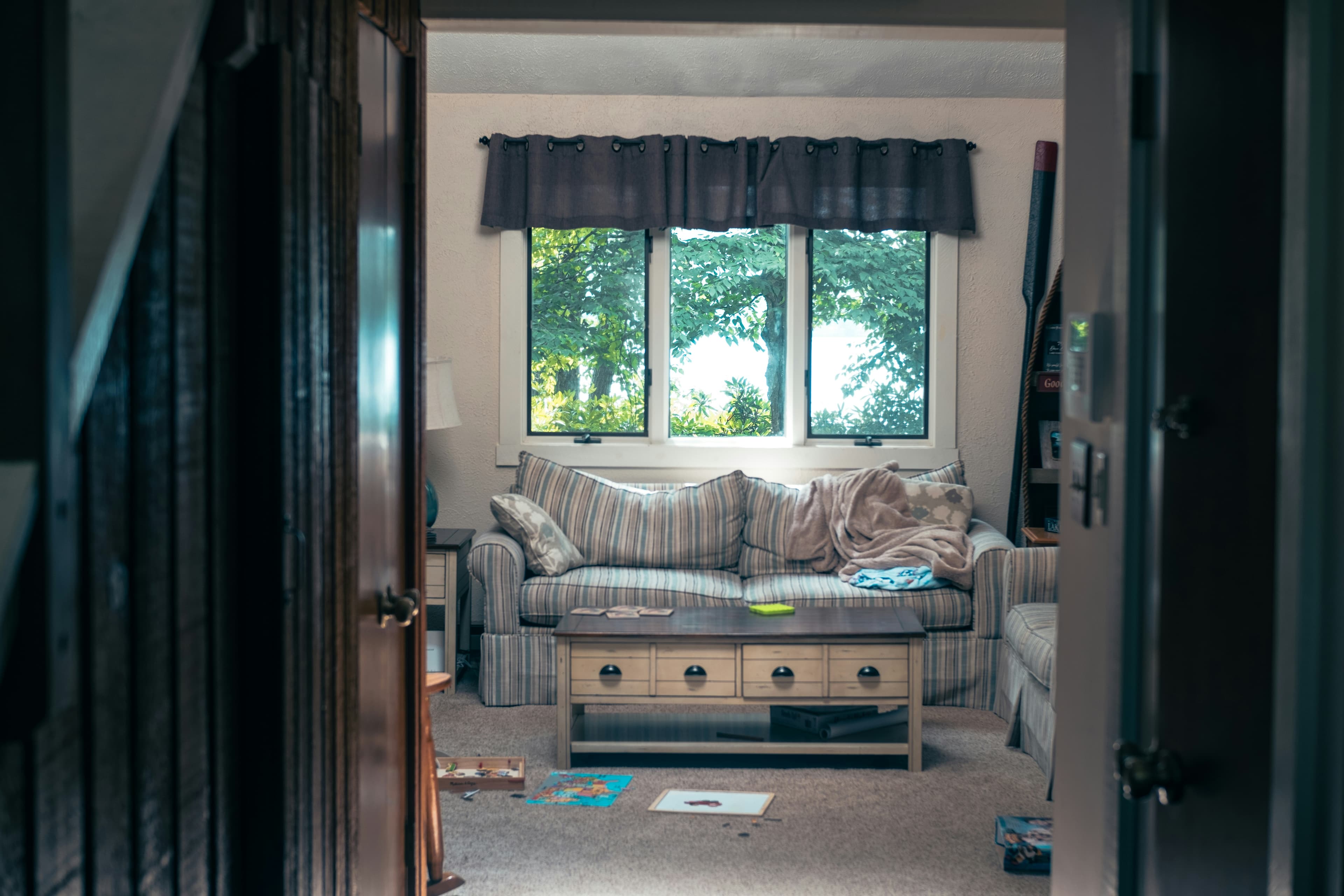
You can leave the rooms, basement, garage, and yard as they are. Take only what you want before closing.
We want to see the real condition of the house. There is no need to make it listing-ready for us.
Share whatever you already have. If title or city questions come up, we'll explain who can help answer them.
The simple version: show us the house as it is. We’ll ask the questions and explain what happens next.
NORMAL CLOSING DETAILS
Selling as-is removes the repair, cleaning, and preparation work. Every sale still needs clear ownership, accurate property information, and a normal title-company closing. You don't have to organize all of that by yourself.
You don’t need to have every document or answer before contacting us. Start with what you know, and we’ll help identify which questions belong with us, the title company, the municipality, or another qualified professional.
HOW WE BUILD YOUR OFFER
We look at the house, the local market, and the work we would take on after closing. Then we explain the important parts of the number so you can decide whether it makes sense for you.
We consider the neighborhood, size, layout, useful features, and recent sales of comparable homes.
We account for visible repairs, updates, cleanout, and any known city or property issues.
We consider holding costs, insurance, utilities, renovation and resale expenses, and the risk we carry after buying the house.
We’ll walk you through the important factors behind our offer. You can review the number, compare it with your other options, and decide without pressure.
LOCAL OWNERS, NO JUDGMENT
We’re Chris and Nick, the local Cleveland-area owners behind Home Sweet Home Offers. When you invite us to the property, you’re meeting the people who will walk the house and talk through your options with you, not a salesperson from a national franchise or call center.
We’ve walked Northeast Ohio homes with everything from ordinary wear to years of deferred repairs and rooms full of belongings. You don’t need to clean first, make excuses, or apologize for the condition. We’re there to understand the house and what matters to you.
Ask us anything while we’re there. We’ll listen, explain what we see, and help make the next step clearer. You can take your time and decide what feels right for you.

HOW IT WORKS
No listing agreement, no showings, no repairs first, and no waiting on a buyer's bank. Here's the simple version of how it works.
Fill out the short form or call or text us at (216) 200-8010. We’ll ask for the address, the general condition, and your timeline.
You don’t need to clean up, gather paperwork, or know what the house is worth. If the situation’s messy, that’s okay. Inherited house, tenant issues, city repair list, old roof, full cleanout, or major repairs, just tell us what’s going on.
Next, we take a simple walk-through so we can see the house as it actually is. You don’t need to fix, stage, clean, or move anything out first.
After we’ve seen the property, we give you a written cash offer with the math behind it. There’s no charge, no pressure, and you can take time to decide.
If you accept, we open escrow with a local title company. They handle the paperwork, title search, payoff figures, closing statement, and funds.
Close in as little as 14 days, or on your schedule. On closing day, you sign, get paid through the title company, and leave behind whatever you don’t want. We’ll handle the cleanout.
WRITTEN OFFER
One thing sellers worry about, understandably, is whether the number they get at the beginning will still be the number at closing. That’s exactly why we look at the house before making the written offer.
We’re the end buyers, which means we’re the ones buying the house, taking on the repairs, and either renovating it to resell or holding it as a rental. Once we’ve seen the property, we factor in the repairs, cleanout, and condition items up front.
That means no repair credits, no inspection renegotiation games, and no surprise price drop right before closing.
The only exception would be if something major was hidden, misrepresented, or discovered later through title, legal review, or access issues. But normal repairs, cleanout, and condition items are already accounted for before you ever sign.
We’ll look at the house first, factor in the repairs, and give you a clear number we’re prepared to close on.
Get My Cash Offer
COMPARE THE WHOLE TRANSACTION
A higher sale price can also come with preparation, selling expenses, carrying costs, and more uncertainty. A direct offer may be lower, but it can reduce the money, time, and work you put into the house before closing.
Higher price potential, more seller involvement
Less preparation and fewer moving parts
Compare Cash Offer, Agent, and For-Sale-by-Owner Options
A NOTE FROM CHRIS & NICK
Before choosing either option, estimate what you may receive after preparation, agent compensation, seller-paid expenses, concessions, and carrying costs. Then compare the timeline, conditions, and amount of work each option asks from you.
A traditional listing may be the stronger option when the house is financeable, you are comfortable with showings and inspections, and maximum market exposure matters more than speed or simplicity. We won’t tell you that a direct sale is always the better choice.
COMMON SELLER SITUATIONS
You do not need to have everything sorted out before contacting us. We can look at the house as it is, talk through what is going on, and be clear about what we can and cannot help with.
Probate, family decisions, deferred repairs, and belongings can make an inherited house feel overwhelming. You can talk with us before every detail is settled.
Tenants do not automatically rule out a sale. We will ask about the lease, occupancy, access, and condition before explaining the available next steps.
We can look at a vacant property in its current condition and account for repairs, cleanout, access, and known city notices.
Take what matters to you and tell us what you expect to leave. You do not need to empty or deep-clean the house before we visit.
Show us any inspection report or city notice you have. We will explain what we can account for and what may still require municipal approval.
If a move, lender deadline, or family situation is creating urgency, reach out early. We will be honest about whether our timeline looks realistic.
Not sure where your situation fits? Title, lien, trust, or ownership questions do not need to be sorted out before you call. Tell us what is going on, and we will let you know what we can handle and when a title company, lender, attorney, or municipality may need to be involved.
If the property is an occupied rental, read our guide to selling a Cleveland rental with tenants still inside.
If the owner has died and the house may be held in a trust, start with our guide to selling a house in a trust after death.
If a changing tax bill, delinquent balance, or tax lien is part of the decision, start with our Cuyahoga County property-tax guide.
If major repairs, damaged systems, or deferred maintenance are the main concern, read our guide to selling a house in bad condition.
Local requirements vary by community. Review our Northeast Ohio service area or learn about selling in Cuyahoga County.
REAL NORTHEAST OHIO PROJECT
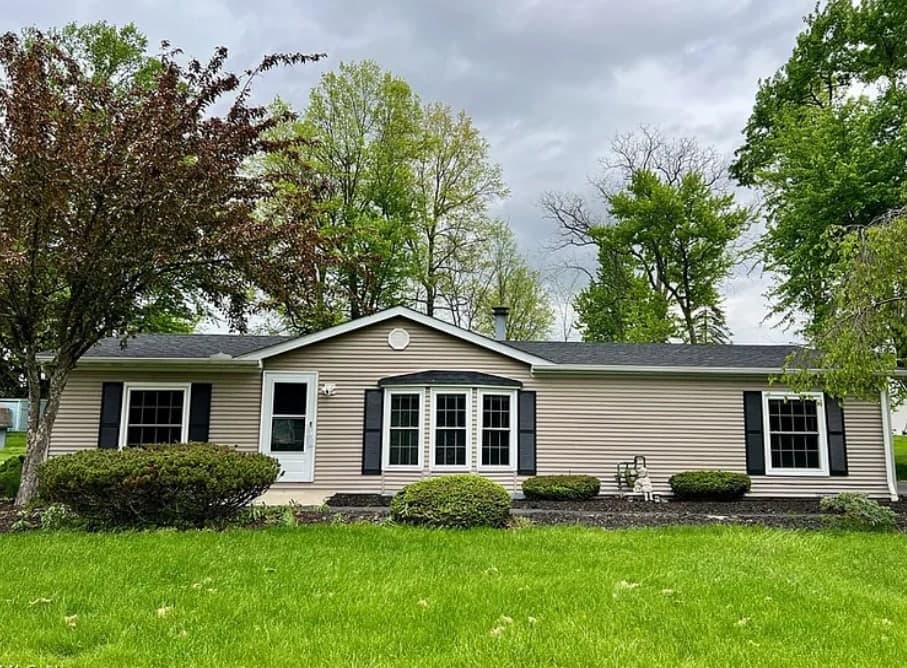
An out-of-state seller inherited a house in the Northfield area through probate. They wanted to move forward without coordinating repairs, showings, and local appointments from far away.
We walked the property, bought it as-is, and helped coordinate the probate-related closing steps through a local title company. After closing, we replaced the roof, redid the bathrooms, updated the flooring, and completed the renovation.
After renovation photos
QUESTIONS HOMEOWNERS ASK
You do not need to know all the terminology before reaching out. Here are straightforward answers to the questions we hear most often.
Yes. You can show us the house exactly as it is today. We'll look at the condition and account for the repair work in our offer, so you don't have to fix or update anything before starting the conversation.
No. Selling as-is usually means you are not agreeing to make repairs. It does not mean a buyer has to skip seeing or inspecting the property. We walk through the house before making our written offer so everyone understands the condition from the beginning.
Yes. The best approach is simply to share what you know about the house. Selling as-is does not remove disclosure responsibilities. If you are unsure what your sale requires, a qualified real estate or legal professional can help you understand the details.
Possibly. An as-is buyer may offer less because they are taking on the repairs, cleanout, and other work after closing. The helpful comparison is not only the highest price, but what you may keep after expenses and how much time, work, and uncertainty each option asks from you.
Absolutely. Listing with an agent can be a good option when the house is financeable, you have time for showings, and reaching the broader retail market is your priority. Just keep in mind that buyers may still request inspections, credits, or further negotiations.
Yes, when you sell directly to us. Take the belongings you want to keep and tell us what you expect to leave behind. We'll account for the cleanout before making our offer, so there is no last-minute surprise for either of us.
Possibly, yes. A tenant-occupied house can still be sold, but the details matter. We'll ask about the lease or current agreement, payment status, occupancy, and access before deciding how to evaluate the property. More complicated tenant questions may need legal guidance.
Often, yes, but every community handles these requirements differently. Some allow a buyer to assume certain items or use an escrow process, while others require another path. Show us any notice or inspection report you have, and we'll be honest about what still needs to be confirmed with the city.
That is very common, and you do not need to sort it out before contacting us. The title company researches the property and confirms mortgage, tax, judgment, or other payoff amounts. Those amounts are generally addressed from the sale proceeds when the numbers allow, while unusual title issues may need additional steps.
We start with the house itself: its location, size, layout, condition, visible repairs, cleanout, and comparable sales. We also consider the costs and work we expect to take on after closing. Once we've walked through the property, we'll explain the main factors behind our number so you can decide whether it makes sense for you.
Our goal is to avoid last-minute renegotiation by walking through the house and accounting for ordinary repairs and cleanout before you sign. In about 99% of our purchases, the written offer is the amount the seller receives at closing. A serious hidden or misrepresented condition, or a title, legal, or access issue, can still affect whether the sale can move forward as understood.
We can close in as little as 14 days, or on your schedule. The actual date depends on title work, any required local steps, property access, and the timing that works for you. We'll explain what looks realistic before you decide.
That is completely okay. Asking questions, showing us the house, or receiving an offer does not commit you to selling. Take the time you need to review the number, compare your options, and say no if a direct sale is not the right fit.
LET'S START WITH A CONVERSATION
Tell us what's happening with the house. We'll listen, answer your questions, and walk through the condition, timing, and what a direct sale could look like. There's no pressure to accept an offer.
Have a general question? You can also send us a message through our contact page.